Client
UE Group × Purdue
Project Type
User Experience Design
Project Year
2021
Role
Product Designer
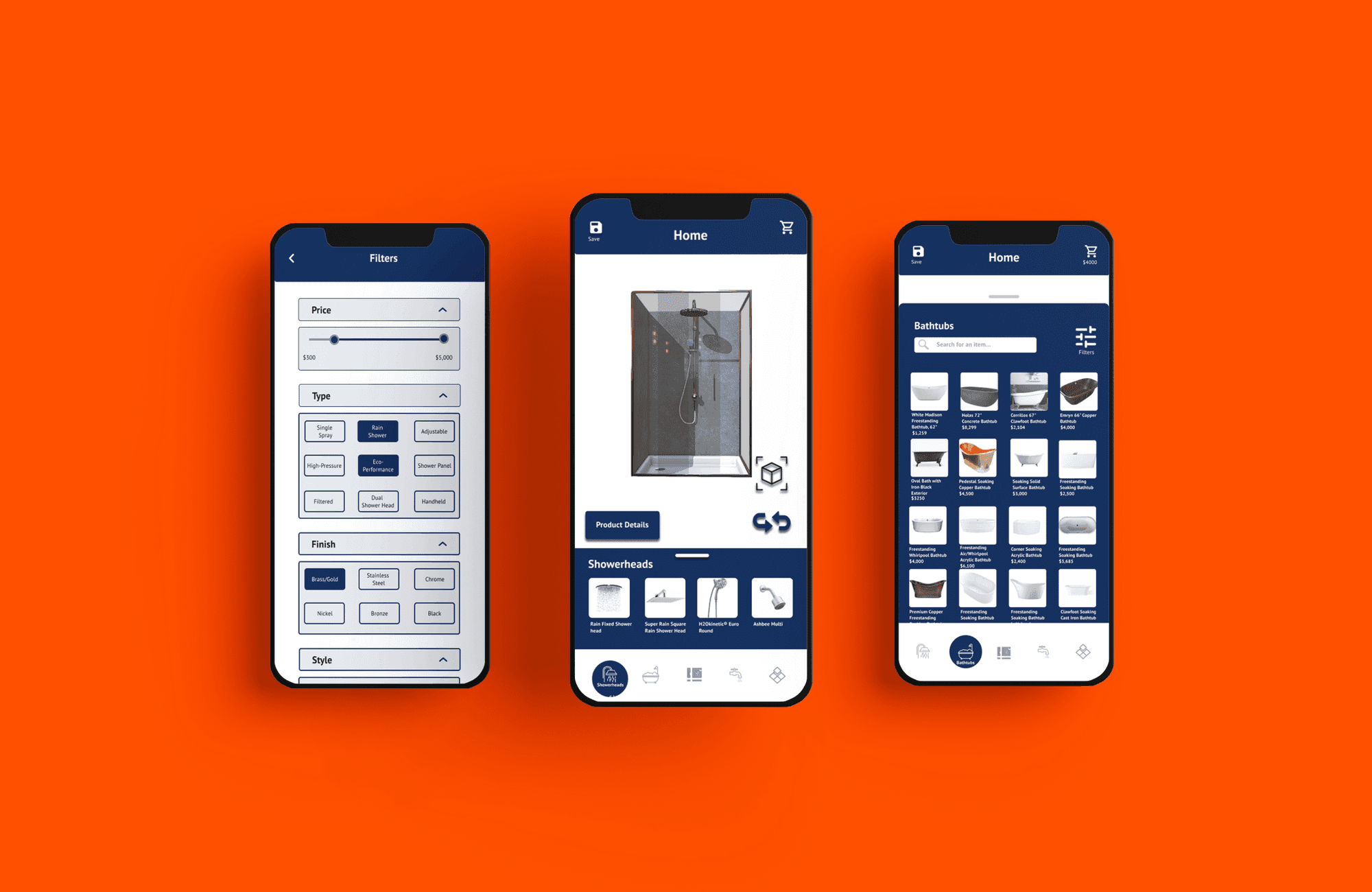
Design a mobile app that would not only drive sales but help clients visualize their renovated shower in the context of their real bathroom via an augmented reality tool
The team was tasked by UE Group to design a mobile application for their client UpHome. UpHome is a startup and the goal was to kick off their sales process by designing an AR-driven customization experience that allows users to visualize shower renovations directly inside their bathroom.
Video Walkthrough
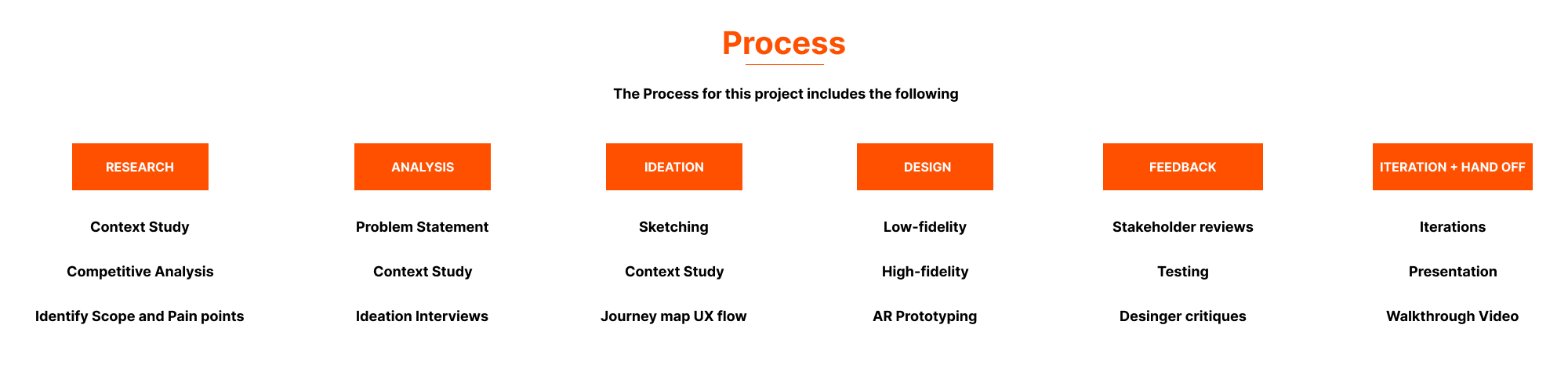
Process Overview
Behind the Scenes
The Process
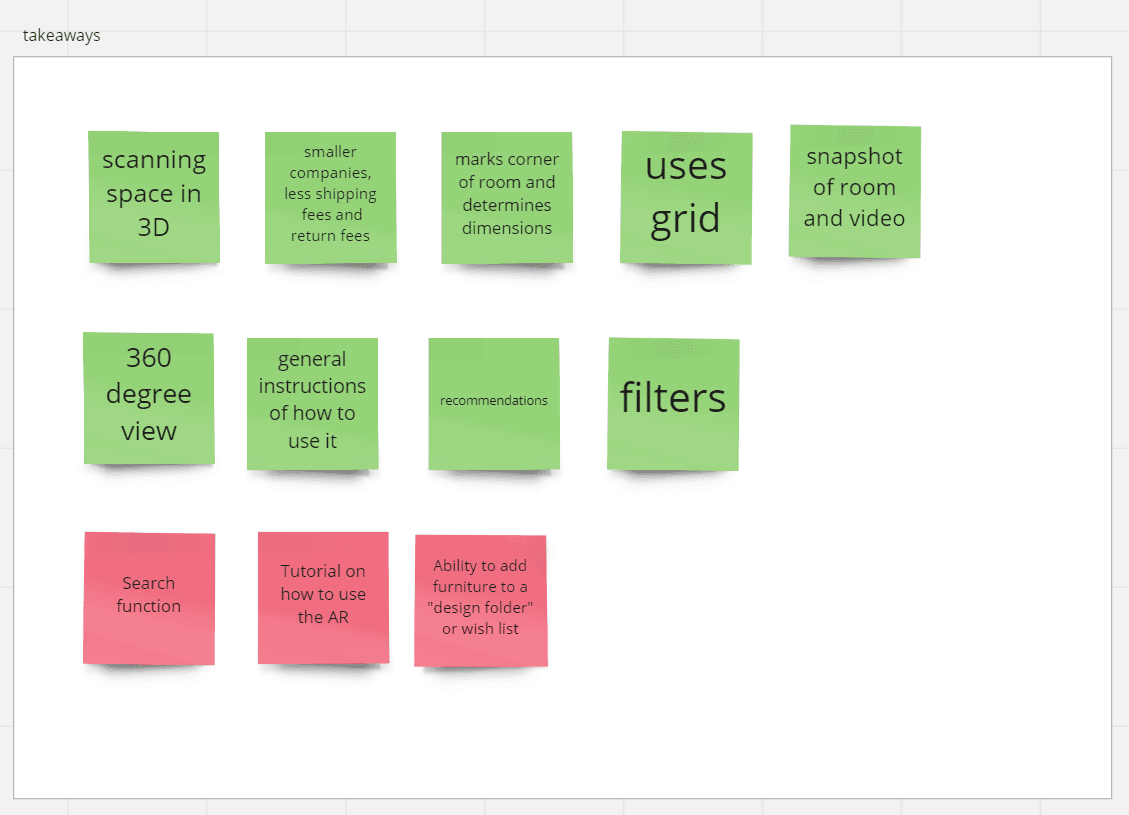
After synthesizing findings from market research, competitive analysis, secondary and primary research our team identified two major takeaways.
The average homeowner has little to no experience with Augmented Reality applications. Many interviewees had only beginner to intermediate familiarity with AR but believed it would have greatly helped during renovation planning.
Users valued customization highly. Renovation involves many decisions and having a visual representation of the bathroom design would make those decisions easier.
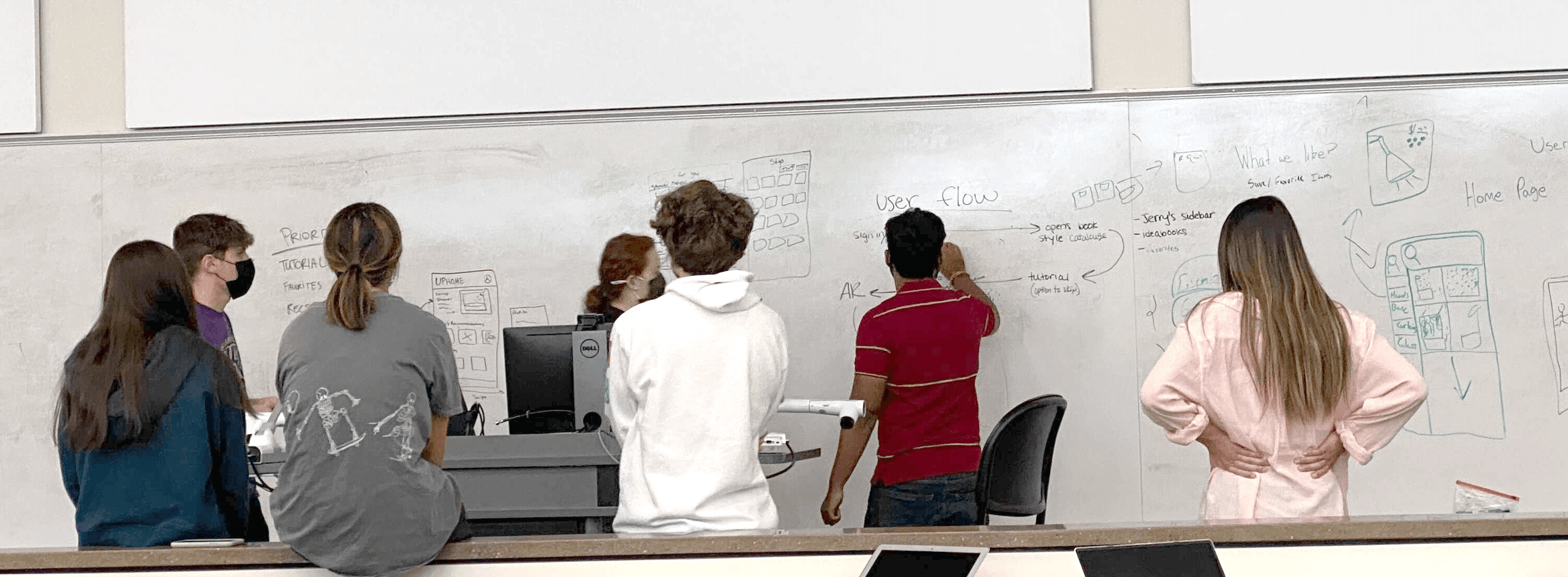
Understanding the Users and Showers
The PUX team interviewed six individuals in the proposed user group, all of whom had experience making large purchases through home remodeling applications.
Each team member also evaluated an AR application to understand what features were effective and which should be avoided when designing an AR bathroom remodeling experience.
The goal was to understand how users approach shower purchases from the earliest stages of consideration.
- What exactly are they trying to customize?
- Why is customization important?
- What would make them confident in their choices?
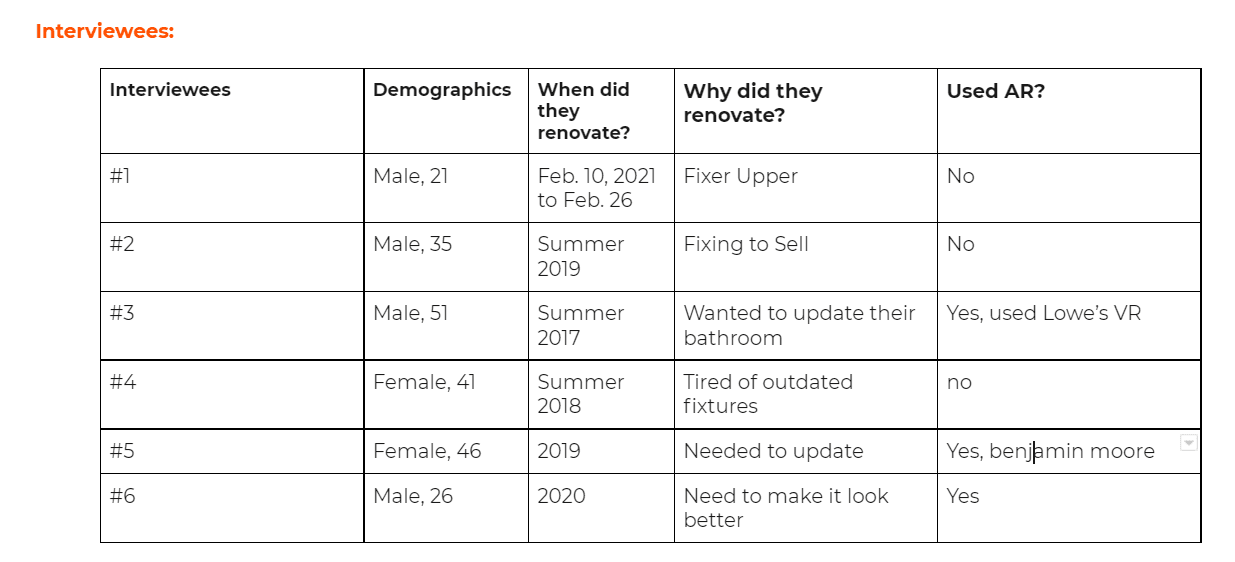
Interviews & Journey Mapping
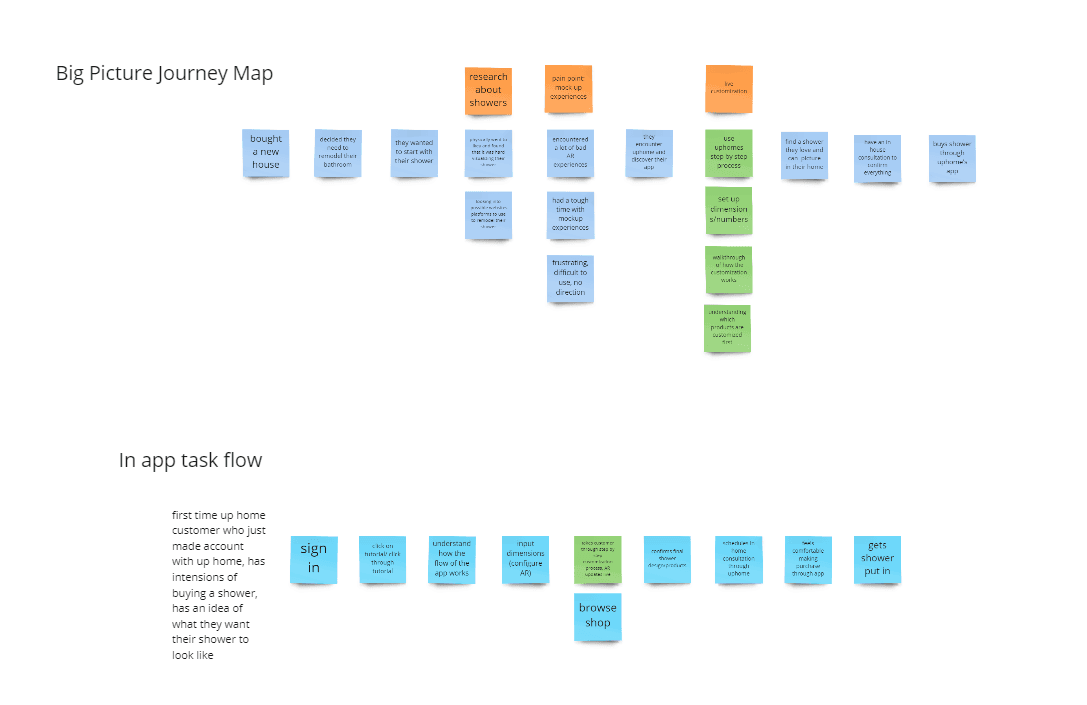
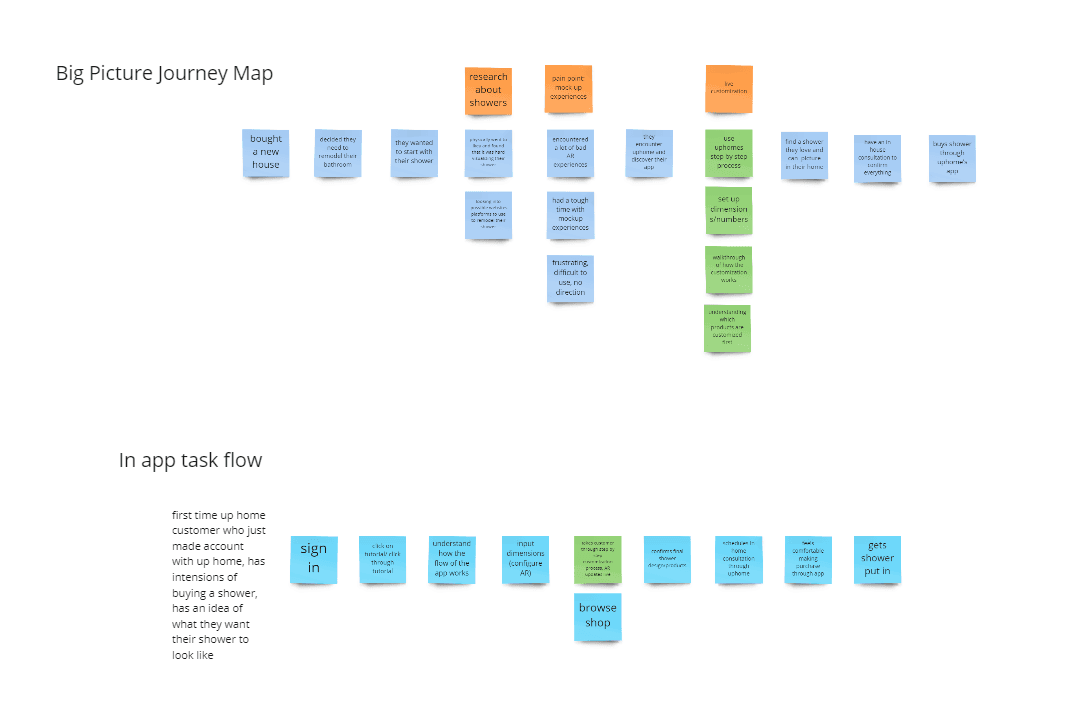
Using insights from interviews, the team created a journey map detailing the user's experience before even opening the application.
This journey illustrates how users progress from renovation intent to discovering UpHome’s application and ultimately purchasing a shower.
Concept Validation — Phase 1
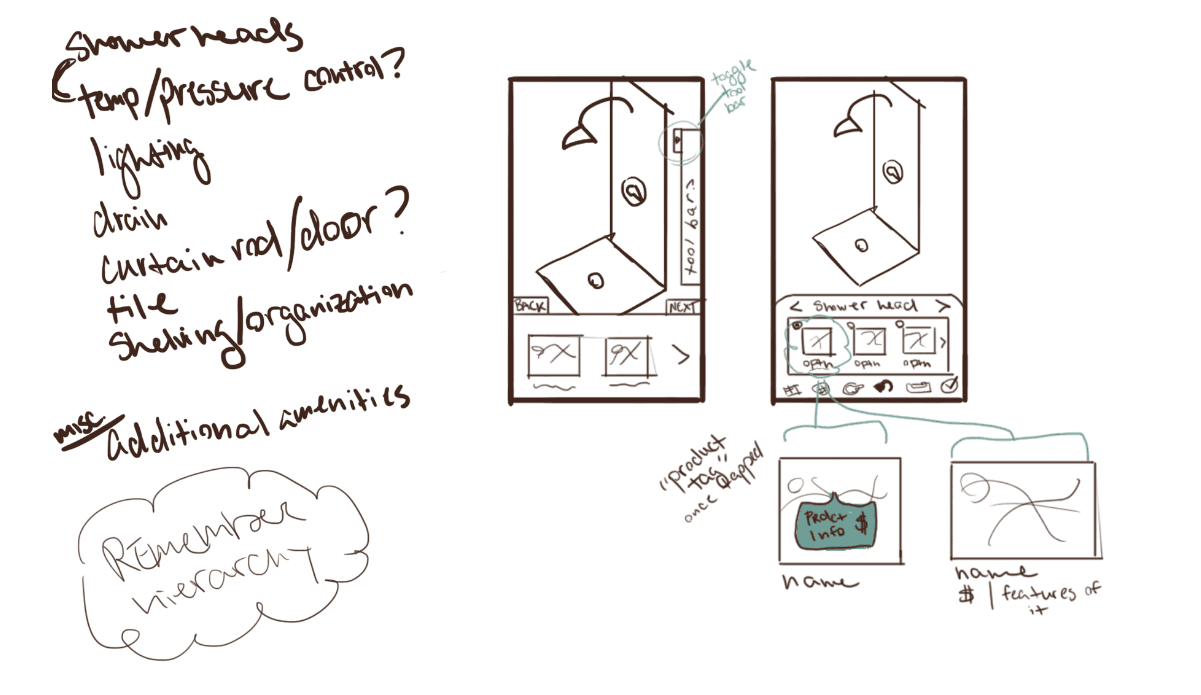
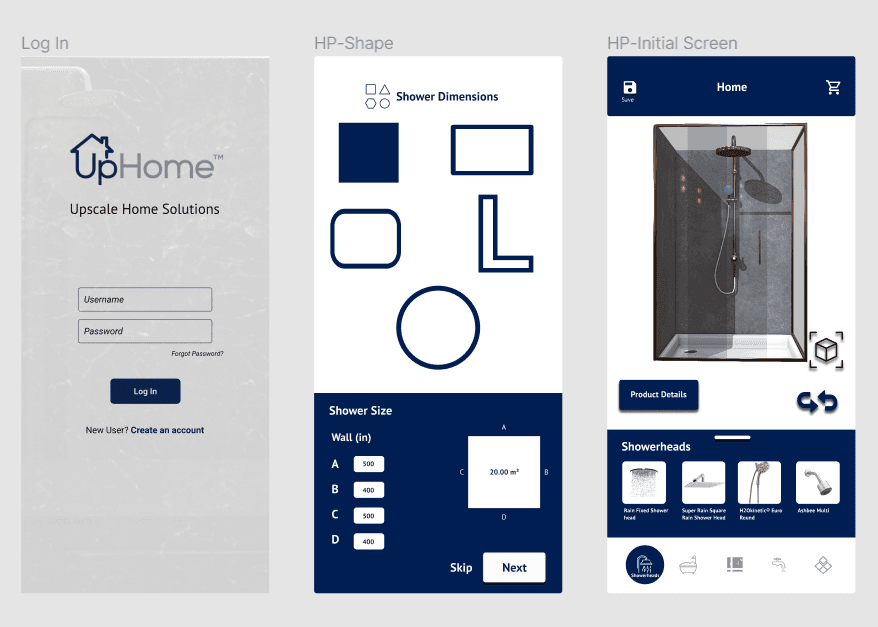
The design focused on reducing decision fatigue by segmenting shower accessories into categories. Within each category users could select components and immediately see AR updates.
Prototyping in AR — Phase 2
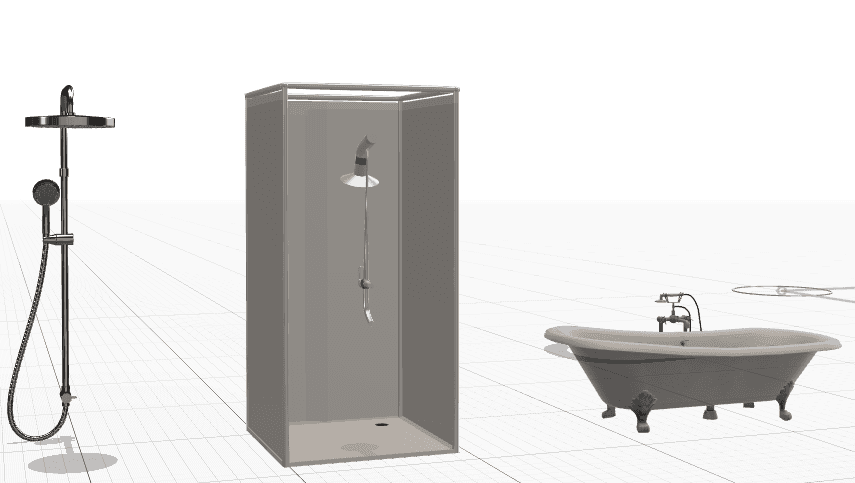
AR prototypes were developed to demonstrate the customization flow to stakeholders and were used throughout evaluation and concept validation.
Design Iterations — Phase 3
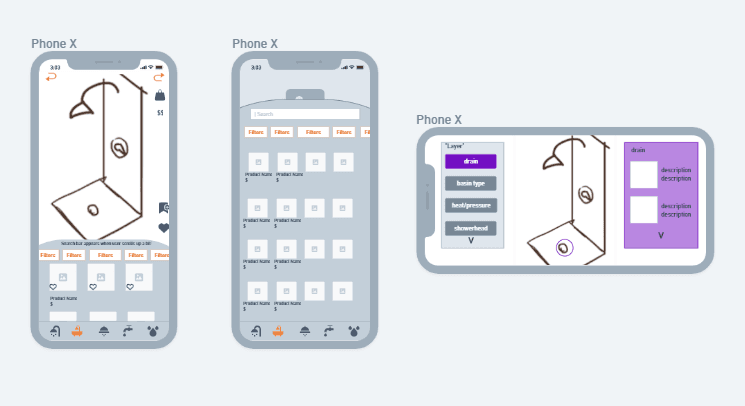
The team created low fidelity layouts using Whimsical to explore navigation patterns and screen structure.
Refining the Design — Phase 4
Initial testing revealed the need for additional customization screens beyond the showerhead view.
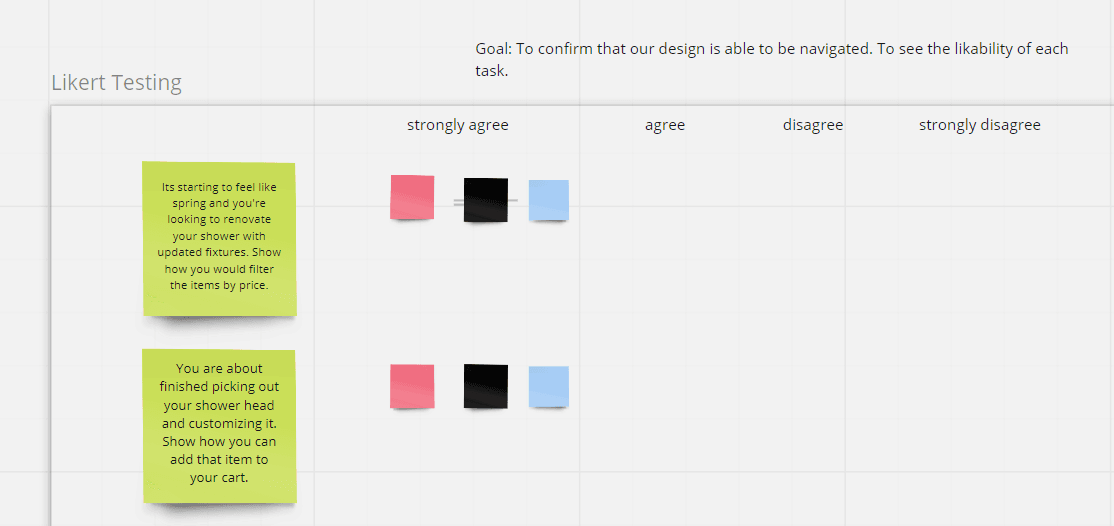
Evaluation — Body Storming & Likert Testing
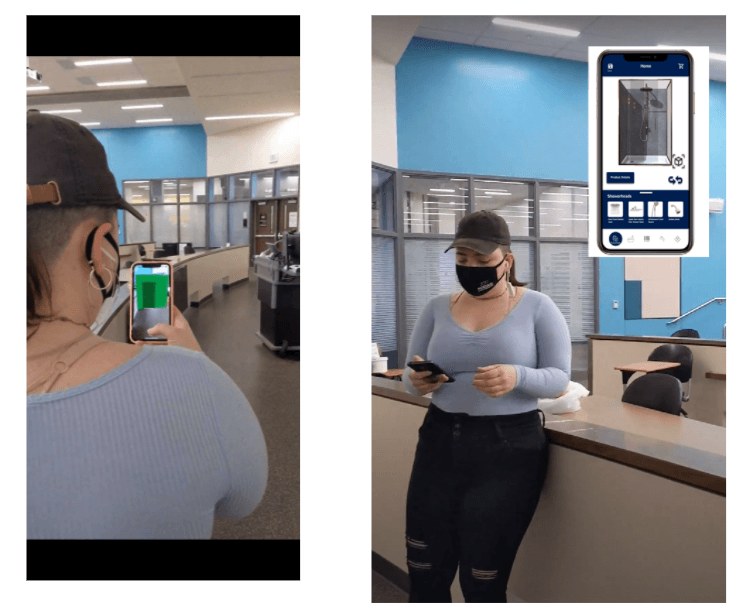
Bodystorming sessions helped evaluate how AR interactions function in physical environments.
Project Outcomes & Reflection
This project required balancing academic coursework with a fast-paced product design timeline during the pandemic. Adapting to remote collaboration and new workflows initially presented challenges, but it ultimately strengthened our ability to communicate, iterate, and validate ideas quickly as a team.
Throughout the project, I contributed across multiple stages of the design process, most notably prototyping the Augmented Reality shower models and facilitating the bodystorming evaluation method. These activities helped us test how users might interact with shower configurations in a physical context before committing to final interface decisions.
Frequent feedback sessions with Purdue faculty and the UpHome product team helped refine the direction of the solution. Ultimately, UpHome saw value in the proposed concepts and implemented elements of the design into their website, validating the impact of our research and design process.